
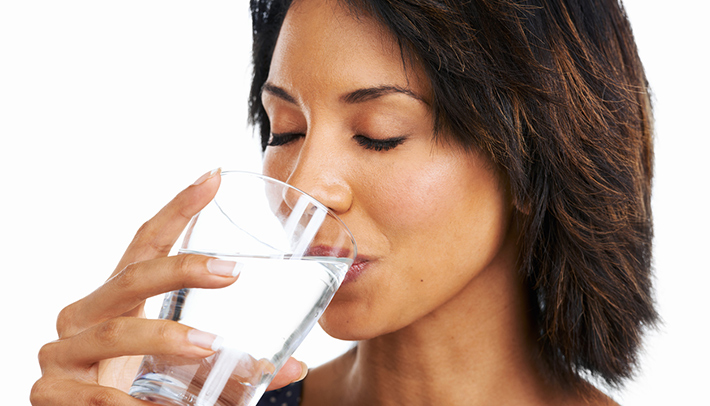
How Hydration Affects Women's Health
You've heard it a thousand times to drink more water. Hydration is not just a general wellness tip. Water plays a real role in how you feel day to day and how your body functions at every stage of life.
Your Body Is Mostly Water
About 60% of your body is made up of water. Every single system in your body depends on it, from digestion and circulation to regulating your temperature. When you're not drinking enough, those systems start to work harder, and you start to feel it.
Hormones and Your Cycle
Did you know dehydration can make PMS symptoms worse? Bloating, cramping, headaches, and mood swings can all be amplified when your body is low on fluids. Staying hydrated can help you feel more like yourself and may reduce some of the fatigue and discomfort that can come before your period.
Urinary Tract Health
Women are more prone to UTIs than men, and one of the simplest ways to lower your risk is by drinking more water. Staying well-hydrated keeps your urinary tract flushed and makes it harder for bacteria to take hold.
Pregnancy and Postpartum
During pregnancy, your blood volume increases significantly, and your body is working overtime. Water supports healthy amniotic fluid levels, helps prevent constipation, and reduces the risk of preterm labor. Postpartum and breastfeeding? You need even more water. Breast milk is largely water, so low hydration can directly affect your milk supply.
Energy, Skin, and Brain Fog
Tiredness, difficulty concentrating, and dull skin are often blamed on sleep or stress. But dehydration is a sneaky culprit too. Even mild dehydration can affect your mood and mental performance.
How Much Do You Actually Need?
A good starting point is about 8-12 cups of water per day. Don't wait until you're thirsty. By that point, you're already mildly dehydrated.
A little change can make a big difference!